
"charity funding"
80 article(s) found
History of coffee in Rwanda
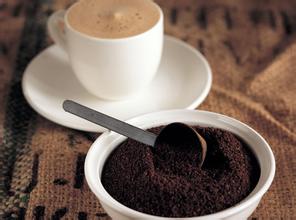
The Rwandans of origin have been growing coffee since colonial times, but until 1999, its products were still classified as below Class C and were not popular in the global market. The reason for the poor quality is that farmers do not have a fixed procedure for washing coffee beans and do not process coffee fruits according to specifications in time. Buyers buy coffee beans at $0.33 per kilogram, and farmers rely on the meagre profits earned at low prices.
Characteristics of coffee beans in Rwanda planting methods of coffee beans in Rwanda
Rwandans have been growing coffee since colonial times, but until 1999, its products were still classified as below Class C and were not popular in the global market. The reason for the poor quality is that farmers do not have a fixed procedure for washing coffee beans and do not process coffee fruits according to specifications in time. Buyers buy coffee beans at $0.33 per kilogram, and farmers keep warm by the meagre profits earned at low prices.

Exquisite black ivory coffee, delicious manning coffee, civet coffee
Black Ivory Coffee Editor Black Ivory Coffee (Black Ivory Coffee), also known as Ivory dung Coffee, is made from coffee beans digested and excreted by Thai elephants and produced in the Golden Triangle Asian Elephant Base. Enzymes in elephants break down proteins in beans during digestion, making them almost free of the bitterness of ordinary coffee. The coffee is made by Black Ivory Coffee Company.
Boutique coffee Rwanda coffee origin Rwanda coffee practice
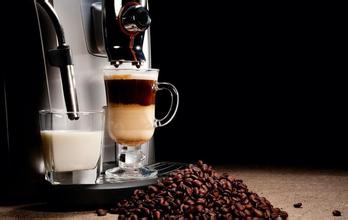
Rwandans have been growing coffee since colonial times, but until 1999, its products were still classified as below Class C and were not popular in the global market. The reason for the poor quality is that farmers do not have a fixed procedure for washing coffee beans and do not process coffee fruits according to specifications in time. Buyers buy coffee beans at $0.33 per kilogram, and farmers keep warm by the meagre profits earned at low prices.
Fine coffee Rwanda Coffee characteristics introduction to Rwanda Coffee
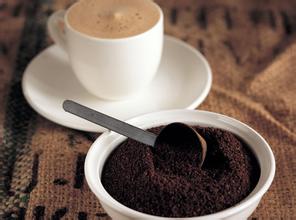
Rwandans have been growing coffee since colonial times, but until 1999, its products were still classified as below Class C and were not popular in the global market. The reason for the poor quality is that farmers do not have a fixed procedure for washing coffee beans and do not process coffee fruits according to specifications in time. Buyers buy coffee beans at $0.33 per kilogram, and farmers keep warm by the meagre profits earned at low prices.

Fine coffee Rwanda coffee manor Rwanda coffee producing area
Rwandans have been growing coffee since colonial times, but until 1999, its products were still classified as below Class C and were not popular in the global market. The reason for the poor quality is that farmers do not have a fixed procedure for washing coffee beans and do not process coffee fruits according to specifications in time. Buyers buy coffee beans at $0.33 per kilogram, and farmers keep warm by the meagre profits earned at low prices.
Brief introduction of exquisite black ivory coffee price of exquisite Manning coffee
Black Ivory Coffee Editor Black Ivory Coffee (Black Ivory Coffee), also known as Ivory dung Coffee, is made from coffee beans digested and excreted by Thai elephants and produced in the Golden Triangle Asian Elephant Base. Enzymes in elephants break down proteins in beans during digestion, making them almost free of the bitterness of ordinary coffee. The coffee is made by Black Ivory Coffee Company.
Boutique coffee Rwanda coffee flavor red apple, cherry, cinnamon, honey
Rwandans have been growing coffee since colonial times, but until 1999, its products were still classified as below Class C and were not popular in the global market. The reason for the poor quality is that farmers do not have a fixed procedure for washing coffee beans and do not process coffee fruits according to specifications in time. Buyers buy coffee beans at $0.33 per kilogram, and farmers keep warm by the meagre profits earned at low prices.
Fine coffee Rwanda coffee treatment method washing, elevated scaffolding sun drying
Rwandans have been growing coffee since colonial times, but until 1999, its products were still classified as below Class C and were not popular in the global market. The reason for the poor quality is that farmers do not have a fixed procedure for washing coffee beans and do not process coffee fruits according to specifications in time. Buyers buy coffee beans at $0.33 per kilogram, and farmers keep warm by the meagre profits earned at low prices.
Boutique coffee Rwanda coffee producing area in the western province of Lutexilo
Rwandans have been growing coffee since colonial times, but until 1999, its products were still classified as below Class C and were not popular in the global market. The reason for the poor quality is that farmers do not have a fixed procedure for washing coffee beans and do not process coffee fruits according to specifications in time. Buyers buy coffee beans at $0.33 per kilogram, and farmers keep warm by the meagre profits earned at low prices.

Malaba coffee beans in the western coffee producing area of Rwanda
Maraba coffee beans are manually selected and classified according to quality. PEARL brought coffee experts to Rwanda to maintain contact with the seller, the Public Coffee Company (Community Coffee) in Louisy, USA, and to send samples to Louisiana. In June 2002, public coffee
Brief introduction of Rwanda Coffee beans how much is the coffee bean per jin
Malaba Coffee (Rwandan: Ikawa ya Maraba, French: Caf de Maraba) is Fairtrade certified coffee grown in the Malaba area of southern Rwanda. Malaba's coffee crop is a bourbon of the Arabica species and is grown in fertile volcanic soil on high-altitude hills. The fruits of coffee trees are mainly picked manually during the rainy season from March to May.

The barista contest was launched in Suzhou, Jiangsu Province.
The World siphon Pot Coffee Competition and the second Suzhou Youth barista Professional Competition are jointly sponsored by Suzhou Private Education Service Center and Suzhou Coffee and Western Food Industry Chamber of Commerce. One of the biggest highlights of this competition is the combination of public welfare and student aid, allowing many participating units and entrepreneurs to give love and donate in different ways to help the children of migrant workers. For nearly 100 private schools in the city
An introduction to the Historical Origin of Malaba Coffee in Rwanda
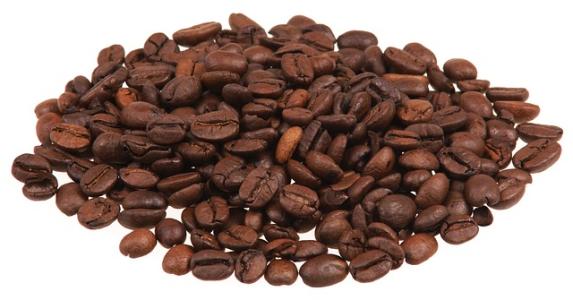
Following caf é (Wechat official account vdailycom) found that Malaba Coffee, Rwanda Malaba Coffee (Rwandan: Ikawa ya Maraba, French: Caf de Maraba) is a fair trade certified coffee grown in Malaba area of southern Rwanda. The coffee crop of Malaba is a bourbon variety of Arabica species.
Boutique Mantenin Coffee death wish Coffee Muscat Coffee Blue Mountain Coffee
Black Ivory Coffee [1-2] is made from coffee beans digested and excreted by Thai elephants. These beans are the best Thai arabica coffee beans collected from 1500 meters above sea level, while these elephants are located in the Golden Triangle Asian Elephant Base (Golden Triangle Asian Elephant Foundation,GTAEF) in northern Thailand.
Foursquare sign in and join hands with Starbucks to support (RED) public welfare activities
(RED) Red Cross Society of China? No, a private organization that aims to help eradicate AIDS in Africa, is working to achieve the goal of an AIDS-free generation by 2015. (RED) launched a public welfare campaign for REDs RUSH TO ZERO to raise funds to support the fight against AIDS in Africa through cooperation with well-known companies and enterprises from all walks of life. Apple,

Introduction to Chilmel Manor in Rwanda Malaba Coffee Bean
Malaba coffee beans are manually selected and classified according to quality. PEARL brought coffee experts to Rwanda to maintain contact with the seller, the Public Coffee Company (Community Coffee) in Louisy, USA, and to send samples to Louisiana. In June 2002, representatives of public coffee visited Malaba. At that time, the current general manager of Rwanda

Introduction to the flavor and taste of Rwanda boutique coffee Malaba coffee
After the washed coffee beans are air-dried on the net rack, after washing the coffee beans many times to completely remove the remaining skin and sugary outer layer, the coffee beans are put into the sheltered rack to air-dry. Cooperative staff regularly flip coffee beans, while technicians continue to look for and pick out poor quality coffee beans. The two-week drying process takes place in the sun (preparing mulch in case of rain), but not
Exquisite black ivory coffee manning coffee delicious death wish coffee
Black Ivory Coffee Editor Black Ivory Coffee (Black Ivory Coffee), also known as Ivory dung Coffee, is made from coffee beans digested and excreted by Thai elephants and produced in the Golden Triangle Asian Elephant Base. Enzymes in elephants break down proteins in beans during digestion, making them almost free of the bitterness of ordinary coffee. The coffee is made by Black Ivory Coffee Company.
Exquisite black ivory coffee delicious black ivory coffee death wish coffee
Black Ivory Coffee Editor Black Ivory Coffee (Black Ivory Coffee), also known as Ivory dung Coffee, is made from coffee beans digested and excreted by Thai elephants and produced in the Golden Triangle Asian Elephant Base. Enzymes in elephants break down proteins in beans during digestion, making them almost free of the bitterness of ordinary coffee. The coffee is made by Black Ivory Coffee Company.